Loading page content
Specialist Orthodontist
Dr. Michael Reynolds
Michael is a board-certified orthodontist based full-time at the Austin practice, which means aligner and braces patients see the same clinician at every adjustment.
- Fixed braces
- Clear aligners
- Early interceptive treatment
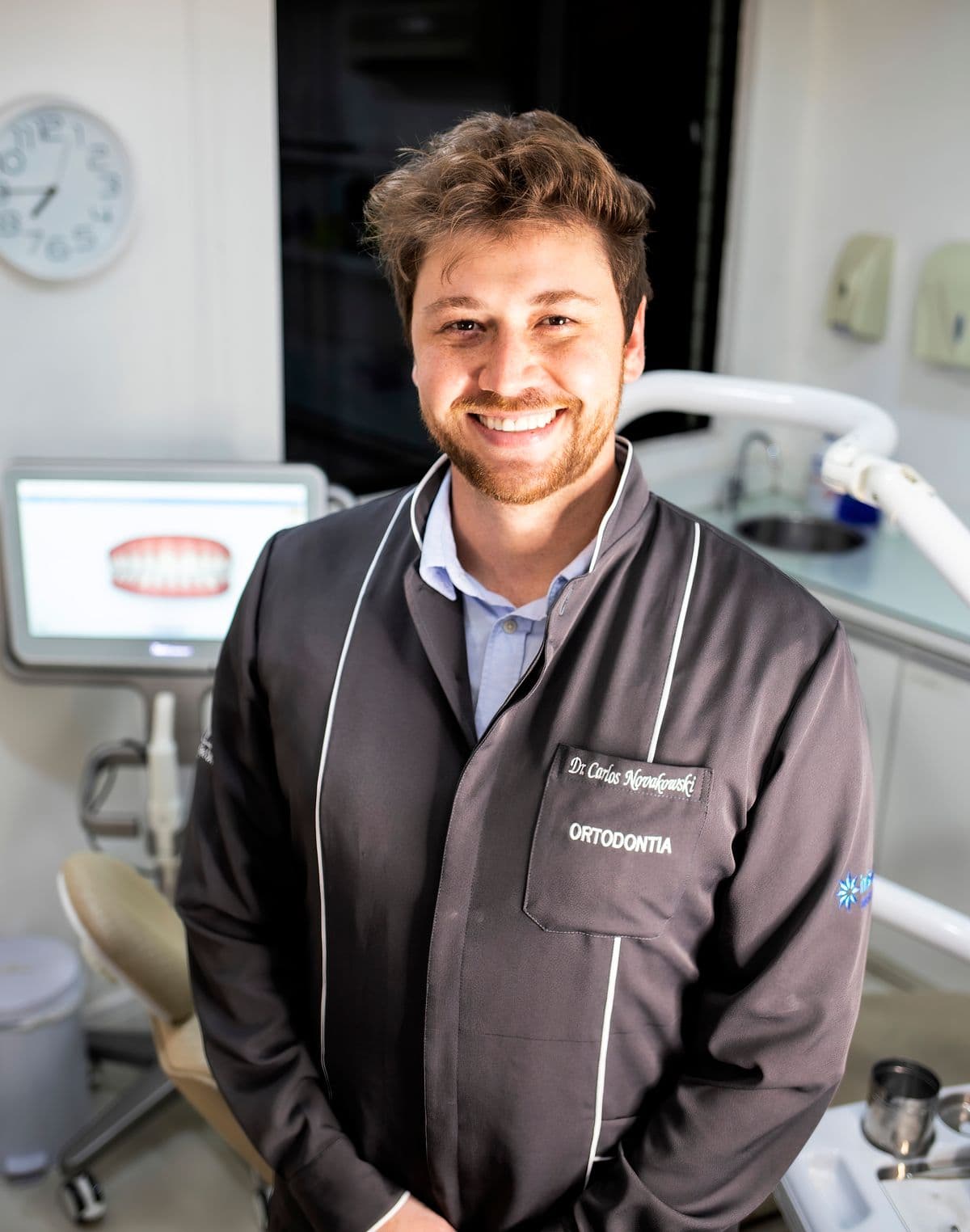
Clinician portraits are representative, licensed photography and do not depict the named Dental team members. Photo source: Pexels
About Dr. Reynolds
Michael is a board-certified orthodontist based full-time at the Austin practice, which means aligner and braces patients see the same clinician at every adjustment.
He treats adults and children, and has a particular interest in interceptive treatment — spotting crowding and bite problems early enough that later treatment becomes shorter or unnecessary.
He is a strong believer in showing patients a digital simulation of the likely outcome before they commit to anything, and in being candid when treatment is not worth the money.
Worth knowing
- Full-time at the Austin practice
- Digital treatment simulation before you commit
- Treats both adults and children
Where and when
Usual working days
- Monday: working
- Tuesday: not working
- Wednesday: working
- Thursday: working
- Friday: not working
- Saturday: working
- Sunday: not working
Working days can change with leave and clinic cover. Online booking always shows the real diary.
Treatments
Treatments Dr. Reynolds provides
Online booking only offers a clinician for treatments they are configured to carry out.
Dental check-up
A full assessment of your teeth, gums, bite and soft tissues, with a written plan and costed options before anything is booked.
- Appointment length
- 30 min
- Starting price
- From $125
Fixed braces
Metal or ceramic braces fitted by our specialist orthodontist, with adjustments at our Austin practice throughout treatment.
- Appointment length
- 45 min
- Starting price
- From $5,900
Clear aligners
A series of removable, near-invisible trays that move your teeth gradually — with a digital simulation of the outcome before you commit.
- Appointment length
- 45 min
- Starting price
- From $6,500
Retainers
Fixed or removable retainers that hold your teeth in their new position — the part of orthodontic treatment people most often regret skipping.
- Appointment length
- 30 min
- Starting price
- From $325
Results
Published cases related to Dr. Reynolds's clinical focus
Educational examples from peer-reviewed open-access case reports. These are not Dental patients or cases treated by this clinician.
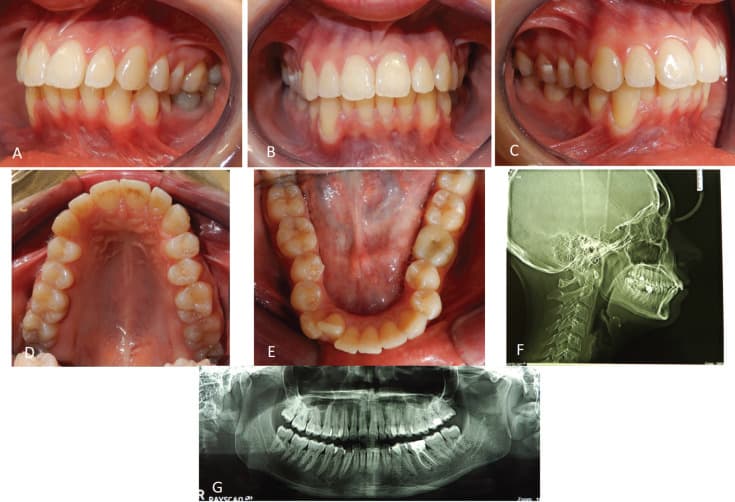 Before
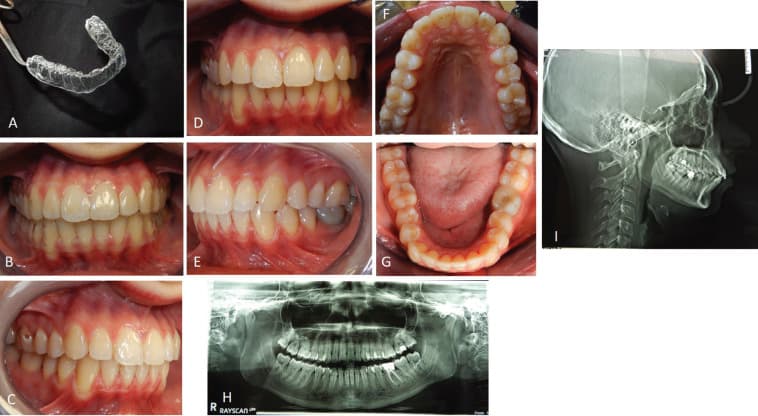 After
AfterModerate crowding treated with differentiated-thickness aligners
A published 23-year-old patient case treated with 40 clear aligners using alternating thicknesses and no attachments.
Source: Putrino, Abed & Lilli, Journal of Clinical and Experimental Dentistry (2022) · CC BY 4.0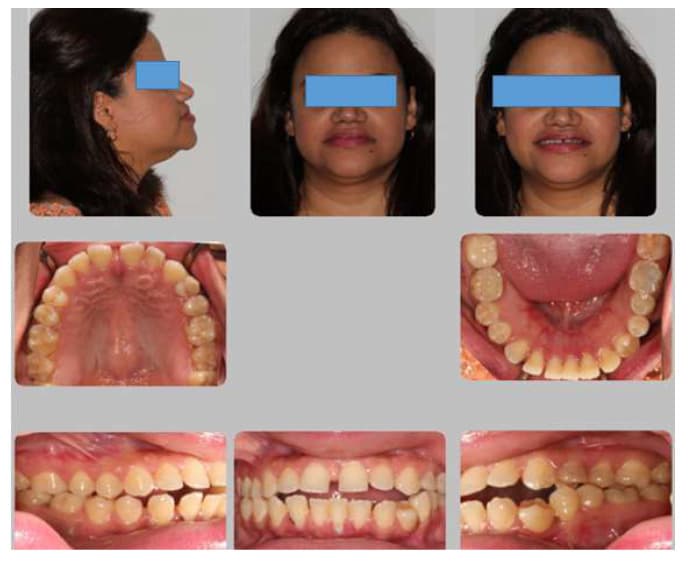 Before
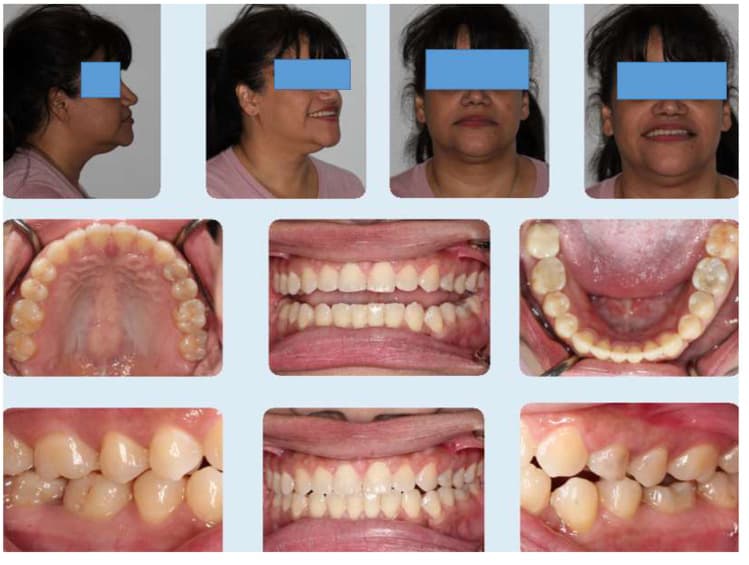 After
AfterAnterior open bite and spacing corrected with clear aligners
A published adult case showing correction of an anterior open bite, spacing, crossbite, and severe bimaxillary protrusion.
Source: El-Bialy, Dentistry Journal (2020) · CC BY 4.0Patient reviews
Reviews for treatments in this area
5 out of 5 stars
What sold me was that Dr. Reynolds showed me a simulation and then told me one of the things I wanted was not realistically achievable with aligners. That honesty is why I went ahead. Fourteen months on, the result is better than the simulation.
5 out of 5 stars
I started braces at 34 and felt self-conscious about it. The team never made me feel out of place next to the teenage patients, and that made it far easier to stick with eighteen months of adjustments.